Social skills are among the most meaningful milestones in a child’s development. For many families navigating an autism diagnosis, Applied Behavior Analysis (ABA) therapy becomes a bridge—helping children build communication, connection, and confidence. In this article, we explore real-life ABA examples and social skills ABA therapy outcomes through the voices of parents, therapists, and children themselves. You’ll find practical insights on behavioral improvement in autism, communication skill growth, and how family testimonials about ABA can illuminate tangible autism therapy results.
Social skills—involving turn-taking, sharing, perspective-taking, and reading social cues—are complex, layered abilities. They rarely develop overnight. ABA supports them by breaking down larger skills into manageable steps, reinforcing positive behaviors, and practicing them in real-world settings. The result? Sustained progress rather than short-term gains, plus strategies families can apply at home, at school, and in the community.
The Martinez Family: From Silence to Shared Stories

When six-year-old Leo began ABA, he primarily communicated with gestures and preferred solitary play. His parents hoped for clearer communication and more social engagement with his cousins. An individualized plan focused on functional communication training, play-based sessions with peers, and structured opportunities for joint attention. Within months, Leo moved from picture exchange to single-word requests. By the end of his first year, he could greet peers, ask for turns on the swing, and answer simple questions.
The most powerful shift came during a family game night. Leo initiated a conversation about his favorite dinosaur and asked his cousin, “What’s your favorite?” That moment signified more than words—it was a bridge to shared experiences. The Martinez family’s testimonial emphasizes how ABA strategies, practiced consistently, helped create space for reciprocal communication. For them, autism progress outcomes weren’t just about saying more; they were about connecting more.
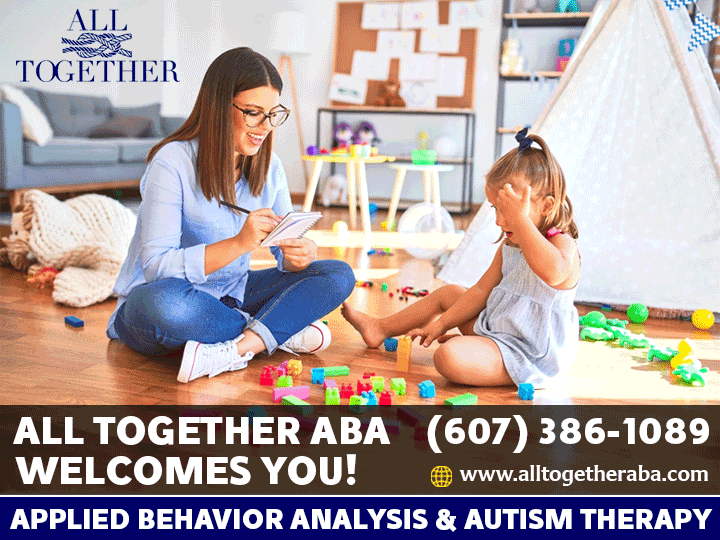
Peer Play in Action: Building Confidence in Group Settings
Group-based ABA sessions often simulate recess or classroom activities: lining up, taking turns, collaborating on a craft, or playing board games. For eight-year-old Amaya, these sessions addressed her challenges with turn-taking and handling frustration during games. Her target goals included waiting, using a calm-down script, and praising a peer’s move. Staff incorporated visual supports and taught explicit “game language” such as “Your turn,” “Nice move,” and “Let’s try again.”
Over time, Amaya not only reduced outbursts but also began initiating play. Her teachers reported that she volunteered to partner for class projects and used her coping strategies when she felt overwhelmed. The result was a measurable behavioral improvement: fewer disruptions, more time on task, and increased peer acceptance. Her parents describe feeling “relieved and proud” as these autism therapy results translated to smoother playdates and easier transitions at birthday parties—real-life ABA examples of generalization beyond the clinic.
From Parallel Play to Cooperative Projects
A common goal in social skills ABA therapy is moving from parallel play (playing next to peers) to cooperative play (playing with peers). For ten-year-old Rohan, therapy centered on social problem-solving and collaboration. He practiced scripts like “Let’s build together” and “How can we fix it?” during LEGO challenges. Initially, he struggled with compromise, often wanting full control of the design. Through shaping and reinforcement, the therapist praised attempts to share ideas and negotiate choices.
Within a semester, Rohan demonstrated growth in communication and flexibility. He began suggesting roles—“You do the roof; I’ll do the windows”—and complimenting his partners. His family observed these child development milestones at home: Rohan negotiated TV time with his sister and even proposed a schedule that worked for both. This progress illustrates the subtle but powerful skill of perspective-taking, which many families note as a turning point in communication skill growth.
School Collaboration: Creating Consistency Across Settings
ABA’s effectiveness often hinges on collaboration between caregivers, therapists, and educators. Consider nine-year-old Maya, who found lunchtime overwhelming. Her therapist coordinated with the school team to create a structured lunch club with a small group of peers and pre-taught conversation starters. They used a simple visual: “Ask–Listen–Share.” Data were collected on initiations, responses, and eye contact, and reinforcement gradually shifted from tangible rewards to natural social reinforcement.
By the end of the quarter, Maya increased her spontaneous initiations, and classmates started inviting her to sit with them. The school counselor noted a rise in positive peer interactions, and Maya’s parents reported she recounted lunchtime stories at home with pride. The alignment between clinic and classroom created consistency that drove sustainable autism progress outcomes.
Family Coaching: Empowering Parents as Partners
Parent experiences with ABA frequently highlight the importance of caregiver training. The Reynolds family, whose son Jonah struggled with social boundaries, found that learning how to model greetings and set clear expectations changed everyday life. Their ABA parent sessions included role-playing scenarios, visual social narratives, and troubleshooting tough moments at the grocery store or during neighborhood play.
After several weeks, Jonah practiced greeting neighbors, asking to join sidewalk chalk games, and respecting personal space. His parents’ family testimonial about ABA emphasizes the power of predictable routines and positive reinforcement: “We stopped guessing. We started coaching.” Strengthening parent skills creates momentum; families become confident co-therapists, and children experience more opportunities to practice social skills across situations.
Measuring What Matters: Outcomes That Reflect the Whole Child
While data points—like increased initiations, reduced prompts, or fewer challenging behaviors—are essential, families often care most about quality-of-life markers. Are birthday parties less stressful? Do siblings get along better? Has the child’s confidence grown? ABA therapy success stories often hinge on these whole-child themes:
- Communication that feels natural: Children move from scripted exchanges to spontaneous conversation. Social resilience: Improved coping strategies for when games don’t go as planned. Shared joy: More laughter, more invitations, and more meaningful routines together. Life participation: Joining clubs, attending events, and contributing in class.
These outcomes align with key child development milestones—showing how social skills ABA therapy can nurture growth in empathy, self-regulation, and cooperative play.
Practical Tips for Families Getting Started
- Identify priority goals: Choose two to three social behaviors that matter most to your child’s daily life, such as greetings or turn-taking. Seek collaboration: Ensure your ABA provider partners with teachers, speech therapists, and caregivers. Use real-life practice: Apply taught skills in parks, grocery stores, or family gatherings to promote generalization. Celebrate small wins: A shared smile or a successful request can be a meaningful step toward larger goals. Review progress regularly: Data should guide adjustments while keeping the child’s interests at the center.
A Bridge Built Together
Social growth thrives with consistency, compassion, and collaboration. These stories show that ABA can help children not only learn discrete skills but also weave those skills into the fabric of everyday life. For families, the most powerful autism therapy results often emerge during ordinary moments: a child inviting a peer to play, a sibling partnership in the kitchen, or a confident hello to a neighbor. With the right supports, those moments become milestones—and the milestones, in time, become bridges to lasting connection.
Questions and Answers
Q1: How long does it take to see social skills progress with ABA?
A1: Timelines vary by child and goal complexity. Some families see early gains in a few weeks (e.g., greetings, simple requests), while broader skills like conversation and flexible play may take months. Consistency across home, school, and therapy accelerates progress.
Q2: Can social skills learned https://jsbin.com/mujejivoje in ABA generalize to real-life settings?
A2: Yes. Generalization improves when skills are practiced in multiple environments, with different people, and through natural reinforcement. Collaboration with schools and parent coaching are key.
Q3: What data should families expect to see?
A3: Look for tracked measures like initiations, responses, turn-taking, duration of cooperative play, and reductions in challenging behaviors. Ask for updates that translate data into practical next steps.
Q4: How do parents support communication skill growth at home?
A4: Model target phrases, use visuals or scripts, and provide immediate, meaningful reinforcement. Practice during daily routines—meals, chores, or playtime—to build confidence and independence.
Q5: What if my child resists group activities?
A5: Start with one-on-one practice and gradually introduce small groups. Use preferred activities, clear expectations, and coping strategies. Celebrate small successes to build motivation and momentum.