Real Families, Real Progress: ABA Therapy Outcomes Explained
Applied Behavior Analysis (ABA) therapy is often discussed in terms of data, techniques, and goals. But behind the charts are real children, real parents, and real-life shifts that can feel transformative. Understanding what progress looks like—how it unfolds, how families experience it, and how providers measure it—can help you decide whether ABA therapy aligns with your child’s needs and your family’s values.
What ABA Progress Really Means Progress in ABA is individualized. It’s not about making a child “fit” a mold but about supporting meaningful growth in the areas that matter most: communication, daily living, social engagement, safety, and emotional regulation. For some, that might mean using more words or a communication device. For others, it’s smoother transitions, fewer meltdowns, or increased independence with dressing and mealtime.
A hallmark of ABA is defining goals in observable, measurable terms. Examples include:
- Communication skill growth: requesting items using words, signs, or AAC; initiating conversations; responding to questions. Behavioral improvement: reducing self-injurious or aggressive behavior by teaching safer alternatives; increasing tolerance for changes in routine. Social skills: sharing, turn-taking, joint attention, and cooperative play. Daily living and academic readiness: following multi-step directions, toileting readiness, sitting for learning activities, or building early literacy and numeracy skills.
How Outcomes Are Measured ABA programs track progress through baseline assessments, ongoing data collection, and periodic updates using standardized tools and caregiver input. You might see:
- Data sheets and graphs that show trends in behaviors or skills. Generalization checks to ensure new skills transfer to home, school, and community settings. Parent and teacher reports, because real-world success matters more than clinic-only gains.
Measurement helps guide decisions: when to adjust teaching methods, when to fade prompts, and when to introduce new goals.
Real-Life ABA Examples and Success Stories Every family’s journey is different, but common threads include clearer communication, greater independence, and less stress at home.
- Early communication breakthrough: A preschooler who previously screamed when denied access to a preferred toy began using a picture card to request it. Within weeks, tantrums decreased by over half and mealtimes became calmer. The family described the shift as “finally understanding what our child needs,” a powerful step toward connection. Social skills in action: A school-aged child struggled with recess interactions, often playing alone or becoming upset during games. Through structured role-play, visual supports, and reinforcement, they learned to ask, “Can I play?” and practiced waiting for turns. Two months later, teachers reported daily participation in group games—an outcome that enriched friendships and school enjoyment. Safety and daily routines: For one family, elopement (running off) made outings rare and stressful. ABA therapy targeted response to name, stop-and-wait, and holding a caregiver’s hand in parking lots. Using graduated practice and rewards, incidents dropped sharply, enabling safe trips to the park and grocery store—milestones that improved family quality of life. Reducing challenging behaviors by teaching alternatives: A teen who engaged in loud vocal stims during class was taught to use a quiet break card and noise-cancelling headphones when overwhelmed. With reinforcement for using the card, disruptive episodes decreased, and class participation improved without suppressing self-regulation needs.
Parent Experiences: The Heart of Progress Family testimonials often highlight two themes: relief and empowerment. Parents note that ABA isn’t just for the child; it reshapes family routines. When caregivers learn consistent strategies—visual schedules, first-then language, or reinforced choices—home life becomes more predictable. Small wins add up:
- Being able to brush teeth without a struggle. Completing a simple grocery trip. Hearing a child say “more” or tap a button to ask for a snack. These moments, sometimes overlooked by outsiders, are huge for families navigating autism therapy results.
What Drives Success

- Individualized goals: Effective plans are rooted in the child’s strengths, interests, and sensory profile. A child who loves trains might learn colors, counting, or turn-taking using train-themed materials. Collaboration: Parents, therapists, teachers, and the child work together. Regular parent coaching helps ensure consistency and generalization across settings. Data-informed flexibility: If a strategy isn’t working, practitioners adjust prompts, reinforcement schedules, or teaching formats. Naturalistic learning: Embedding teaching in play, routines, and community activities increases relevance and stickiness of skills. Cultural and family values: Respect for what success looks like to each family—bilingual communication, participation in community events, or sibling relationships—keeps therapy meaningful.
Timeframes and Expectations ABA therapy is not a quick fix. Some changes appear within weeks; others unfold over months. Children may make rapid gains in one area while progressing more gradually in another. Skill plateaus and regressions can occur—often around transitions, illness, or big life changes. The key is consistent support and realistic expectations.
It’s also important to acknowledge that every autistic child’s profile is unique. ABA should never aim to erase neurodiversity. Ethical practice focuses on reducing barriers, enhancing autonomy, and honoring self-advocacy, including supporting alternative communication methods and sensory needs.
School and Community Impact When ABA outcomes generalize, you’ll notice:
- Smoother school days: better task engagement, fewer disruptions, and increased independence. Peer relationships: more successful playdates or club participation. Community comfort: manageable outings to restaurants, libraries, or sports—experiences that build confidence for the whole family.
Tracking Milestones Without Losing Sight of the Child Child development milestones provide helpful benchmarks, but they’re not the only measure of success. Many families find balance by celebrating individual trajectories—first words may come late or via AAC, social interaction may look different, and that’s okay. Progress is personal and valid when it reduces stress, increases choice-making, and improves quality of life.

A Balanced Look at ABA Therapy
- Strengths: Clear goals, measurable outcomes, and practical strategies that families can use daily. Considerations: Quality varies by provider. Look for board-certified supervision, parent training, attention to assent and autonomy, and goals that reflect your child’s identity and your family priorities. Complementary supports: Speech-language therapy, occupational therapy, and mental health services often integrate well with ABA to support communication, sensory processing, and emotional well-being.
How to Get Started
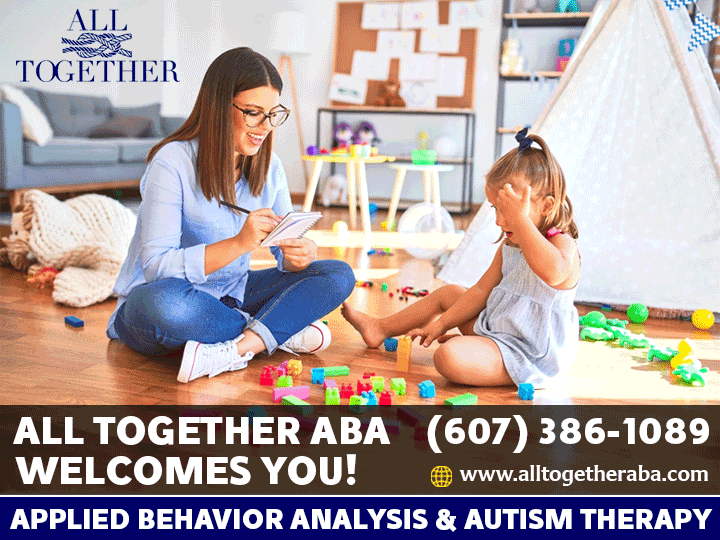
- Seek an evaluation from a licensed or board-certified provider. Ask about assessment tools, goal-setting processes, and how family input shapes programming. Observe a session if possible. Ensure you will receive regular progress reviews and training. Align schedules, transportation, and insurance coverage to maintain consistency.
A Final Word from Real Families Families often describe ABA success not as a single dramatic moment but as a steady accumulation of daily wins: a quieter morning routine, a shared laugh during play, a successful doctor visit. These outcomes—communication skill growth, behavioral improvement, and social participation—build the foundation for long-term independence and well-being.
Questions and Answers
Q1: How soon will we see results with ABA therapy? A1: Some behaviors may improve within a few weeks, especially when strategies are used consistently at home. Broader goals—like social skills or flexible transitions—often take months. Regular data reviews help track progress and adjust plans.
Q2: What https://privatebin.net/?98a52c5b323cf674#8zvrEfXpdnKpHSWbFnFyGqS3ctAx5S7YaVUwr33QM4aD does a typical ABA session include? A2: Sessions may combine structured teaching (discrete trial training), naturalistic play-based learning, social skills practice, and caregiver coaching. Activities are tailored to the child’s goals and interests.
Q3: How are parents involved? A3: Parent experiences are central. Caregivers receive training to use strategies across routines—meals, bedtime, outings—so skills generalize. Your feedback informs goal selection and program adjustments.
Q4: Will ABA therapy respect my child’s individuality? A4: Ethical practitioners emphasize assent, autonomy, and neurodiversity. Goals should enhance communication, comfort, safety, and independence, not suppress harmless self-expression.
Q5: What outcomes are realistic? A5: Realistic outcomes include clearer communication (spoken or AAC), improved daily routines, safer behavior, and stronger social participation. The pace and profile of gains vary by child; meaningful progress is defined collaboratively with your family.